
AI + Urban Heat Conference
22 July 20265:30 – 8:30 PM UAEVirtual · Zoom3 Hours

AI + Urban Heat Conference 2026

Using Artificial Intelligence to advance urban heat forecasting, preparedness, and economic resilience.


Bell ImmersiveALERTSimWCMRElements AI
Register Now

About the Event

Event Overview

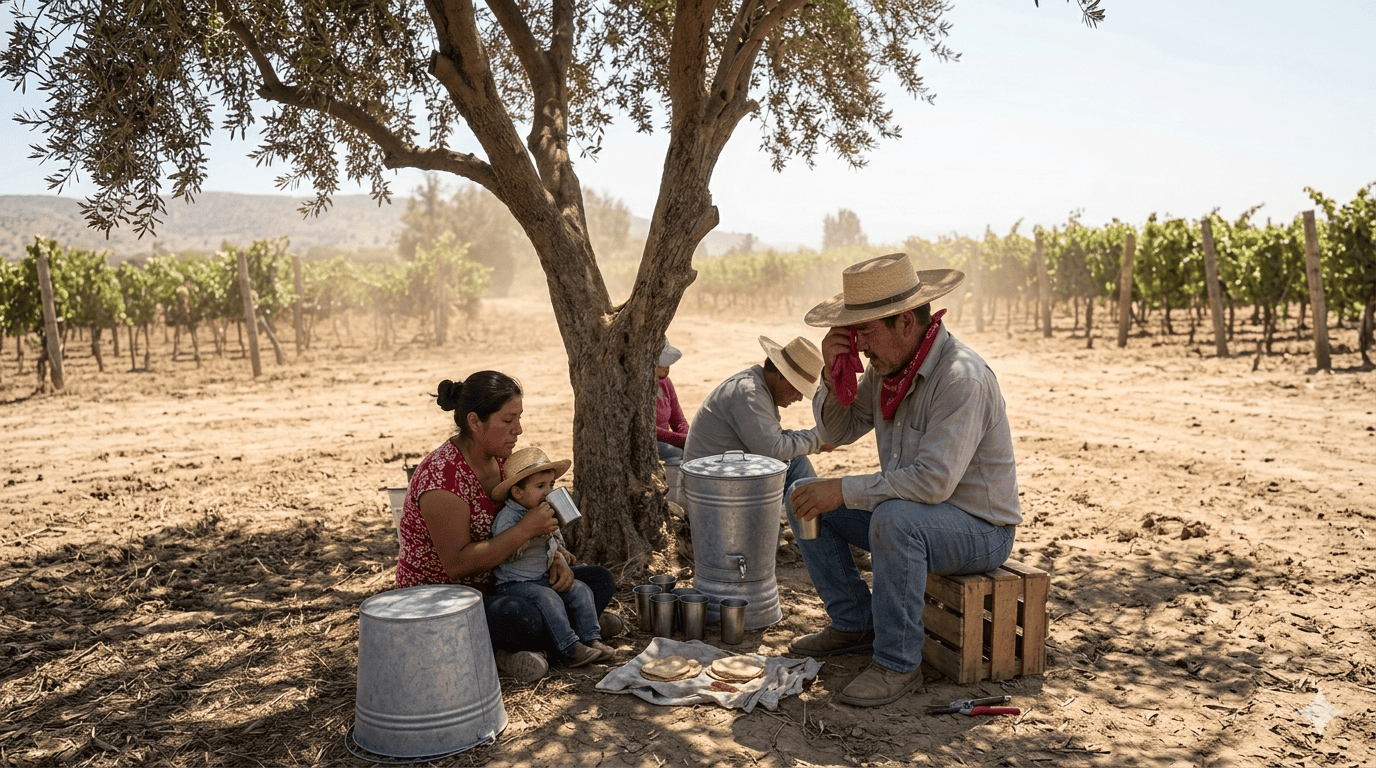
AI + Urban Heat is a focused global conference examining the growing challenges cities and institutions face in managing rising urban heat risks, and exploring how governments, practitioners, and industry leaders are approaching the implementation of practical resilience and heat management solutions.
Urban Heat Conference

Impact Areas

Why Urban Heat Matters ?

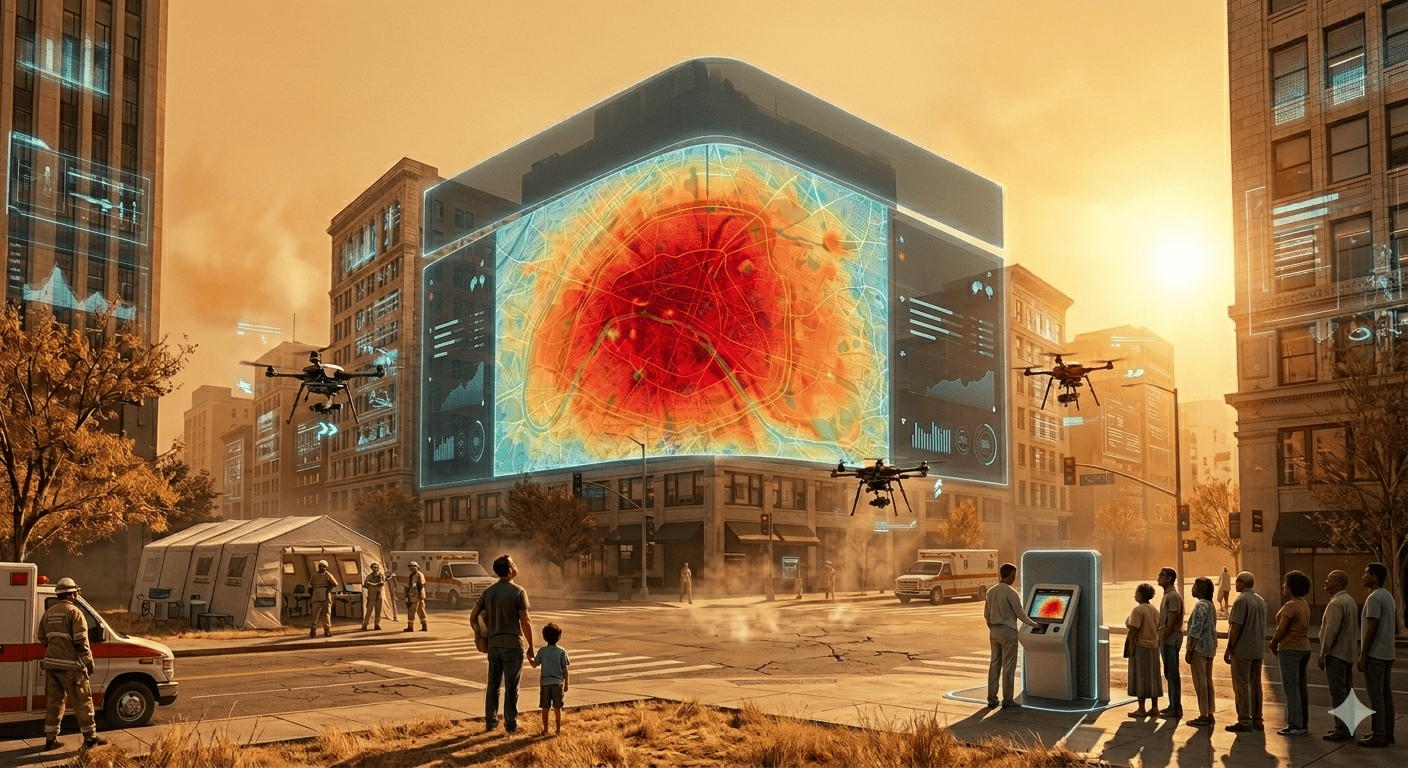
Urban heat is emerging as one of the fastest-growing climate resilience challenges affecting cities worldwide, with significant impacts on public health, infrastructure, workforce productivity, energy systems, and long-term urban sustainability.

Public Health
Infrastructure
Workforce Productivity
Energy Systems

What We Set Out To Do

Conference Objectives

01

Examine the growing urban heat challenges affecting cities, communities, and infrastructure.

02

Explore stakeholder perspectives on current approaches, implementation realities, and operational gaps in urban heat management.

03

Share practical strategies and global best practices for strengthening urban heat preparedness and adaptive resilience.

04

Assess the economic and operational implications of rising urban heat risks across public and private sectors.

05

Explore how AI, digital technologies, and data-driven systems can support forecasting, preparedness, and informed decision-making in urban heat management.

Brought to you by

Organising Partners

A coalition of organisations uniting technology, research, and governance expertise to shape the future of urban resilience.

Technology Spotlight

ALERTSim

ALERTSim Platform
ALERTSim

From Early Warning to Early Action through AI

ALERTSim — an AI-powered platform designed to help organisations translate early warnings into timely, informed action.

In urban heat management, the challenge is often not the lack of data, but the ability to interpret heat risk signals, anticipate escalation, and act before impacts occur.

ALERTSim addresses this gap by combining predictive analytics, real-time data integration, and scenario-based intelligence to support preparedness, anticipatory decision-making, and response readiness.

Learn more about ALERTSim

ALERTSim Supports

Heat Warning Interpretation

Enhanced interpretation of urban heat warning signals and evolving risk conditions

Anticipatory Preparedness

Anticipatory preparedness through heat scenario planning and stress-testing

Decision Support

Faster, clearer decisions linked to predefined heat risk thresholds

Coordinated Response

Improved coordination when urban heat risks escalate into emergencies

At the conference, ALERTSim will be showcased as a practical, operational example of how AI can strengthen the connection between urban heat early warning systems, preparedness, and early action — reinforcing the shift from reactive response to anticipatory, risk-informed action.

Explore ALERTSim
Conference Programme

Agenda Overview

5:30 - 8:30 PM UAE22 July 2026Virtual / Zoom
Programme Schedule
Opening

Opening Remarks and Conference Context Setting

01
Keynote

Keynote Address

02
Remarks

Featured Host Perspectives / Strategic Remarks

03
Theme 1

Urban Heat Early Warning

04
Theme 2

Urban Heat Preparedness

05
Theme 3

Economic Impact of Urban Heat

06
Q&A

Interactive Live Q&A

07
Closing

Closing Reflections and Key Takeaways

08
Session Format

Expert Presentations

Curated talks from leading practitioners, researchers, and policymakers on urban heat solutions.

01

Moderated Discussion

Structured dialogue across disciplines to surface real challenges and actionable insights.

02

Stakeholder Dialogue

Direct exchange between government, industry, and civil society on implementation priorities.

03

Interactive Q&A

Live audience engagement with speakers and panelists across all conference themes.

04
Event Format
01

Virtual Live Conference

Fully virtual, globally accessible event hosted on Zoom — join from anywhere in the world.

02

Global Expert Panels

Multi-perspective panels featuring voices from across government, academia, and the private sector.

03

Implementation-Focused Discussions

Practical conversations centred on what works — lessons learned and scalable approaches.

04

Practical Case Studies

Real-world examples of urban heat management deployed across cities and institutions.

Meet Our Experts

Event Hosts

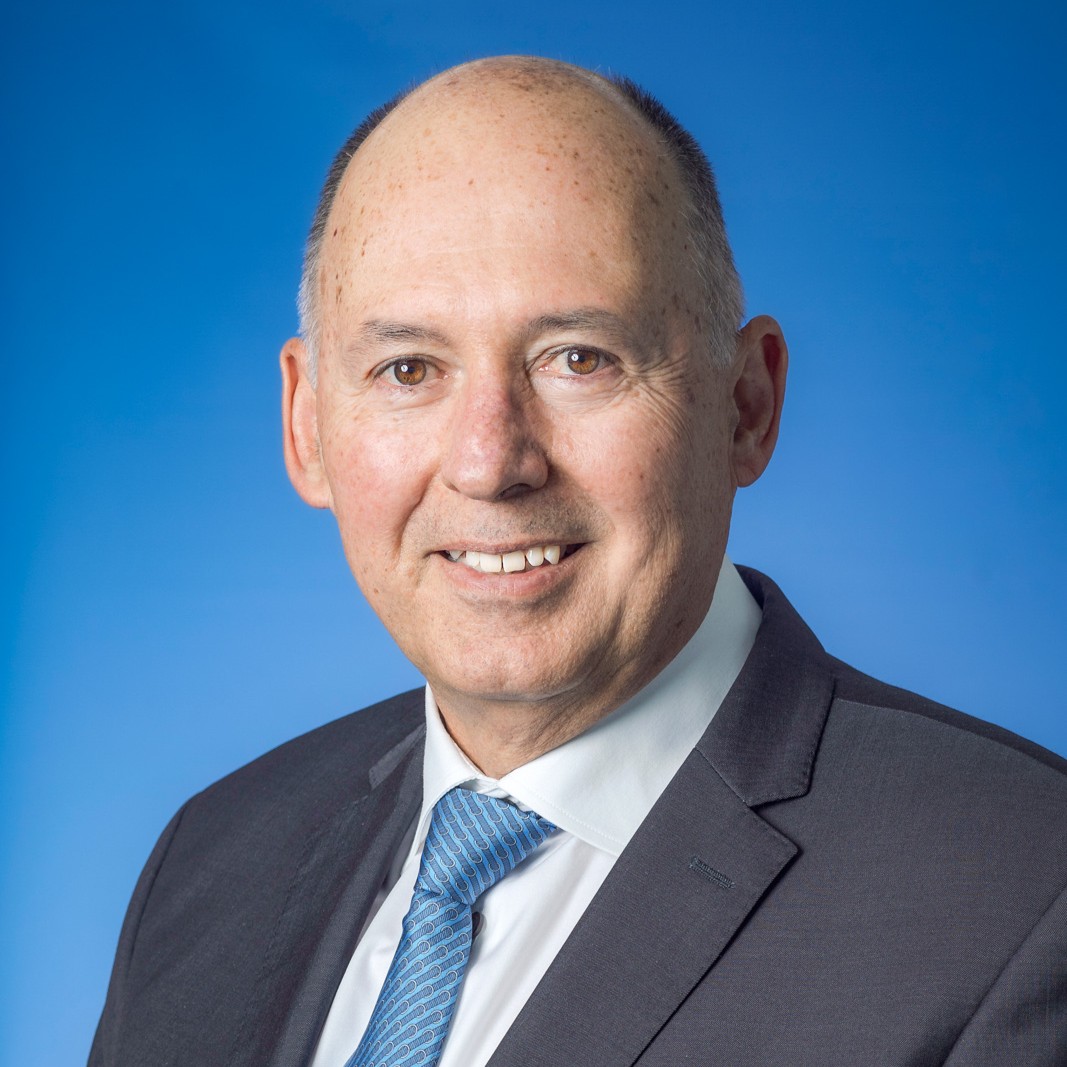
Ricardo Mena

Ricardo Mena

Former Director, United Nations Office for Disaster Risk Reduction (UNDRR)·Global Advisor, ALERTSim·Co-Founder, WCMR – Withstanding Crisis: Managing Risk

Ricardo Mena is a globally recognised leader in disaster risk reduction, resilience, and risk governance, with decades of experience shaping international policy and operational frameworks for governments and multilateral institutions.

He previously served as Director at the United Nations Office for Disaster Risk Reduction (UNDRR), where he played a pivotal role in advancing global DRR strategies and supporting countries in translating international frameworks into national and regional action.

As Co-Founder of WCMR and Global Advisor to ALERTSim, Ricardo brings a strategic and governance-focused lens to the AI + Urban Heat dialogue.
Walter Cotte

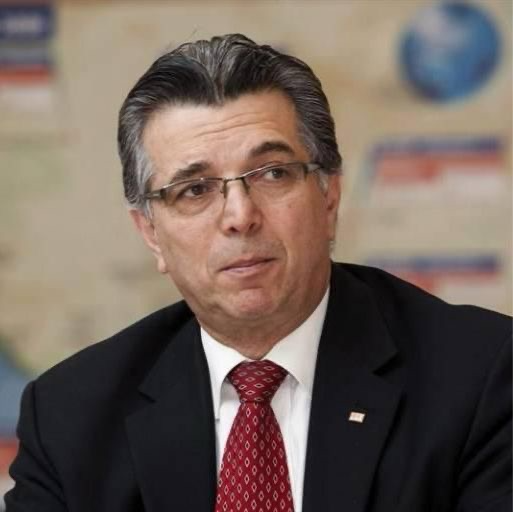
Walter Cotte

Former Under-Secretary General, International Federation of Red Cross and Red Crescent Societies (IFRC)·Global Advisor, ALERTSim·Co-Founder, WCMR – Withstanding Crisis: Managing Risk

Walter Cotte is a distinguished humanitarian leader with extensive global experience in emergency response, disaster preparedness, and resilience building across complex crisis and humanitarian environments.

He previously served as Under-Secretary General at the IFRC, where he led large-scale emergency operations and supported national societies in strengthening response and preparedness capabilities.

As Co-Founder of WCMR and Global Advisor to ALERTSim, Walter grounds discussions on AI-enabled solutions in the realities of field operations and human-centred decision-making.
Ashish Kulkarni

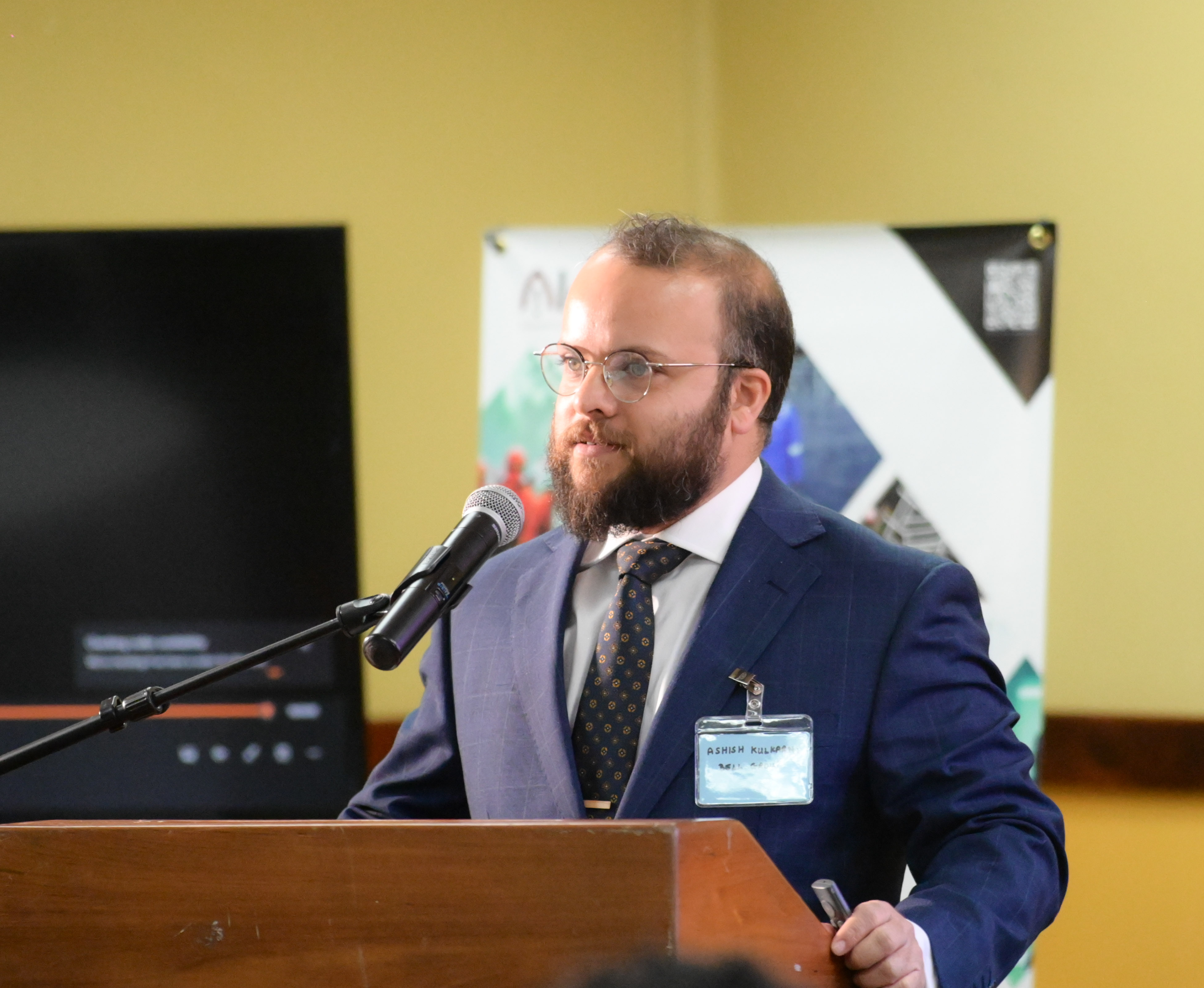
Ashish Kulkarni

Founder & Executive Lead, Bell Immersive & ALERTSim·AI & Crisis Management Systems Expert

Ashish Kulkarni is the Founder and Executive Lead behind Bell Immersive and ALERTSim, where he focuses on applying artificial intelligence to strengthen crisis and disaster risk management across complex, high-risk environments.

With a practitioner's background spanning energy, infrastructure, aviation, ports, and public-sector emergency systems, Ashish works at the intersection of technology, operational decision-making, and preparedness.

He brings a systems-level perspective on how AI can be operationalised across the full emergency management lifecycle.
Ashwina Kulkarni

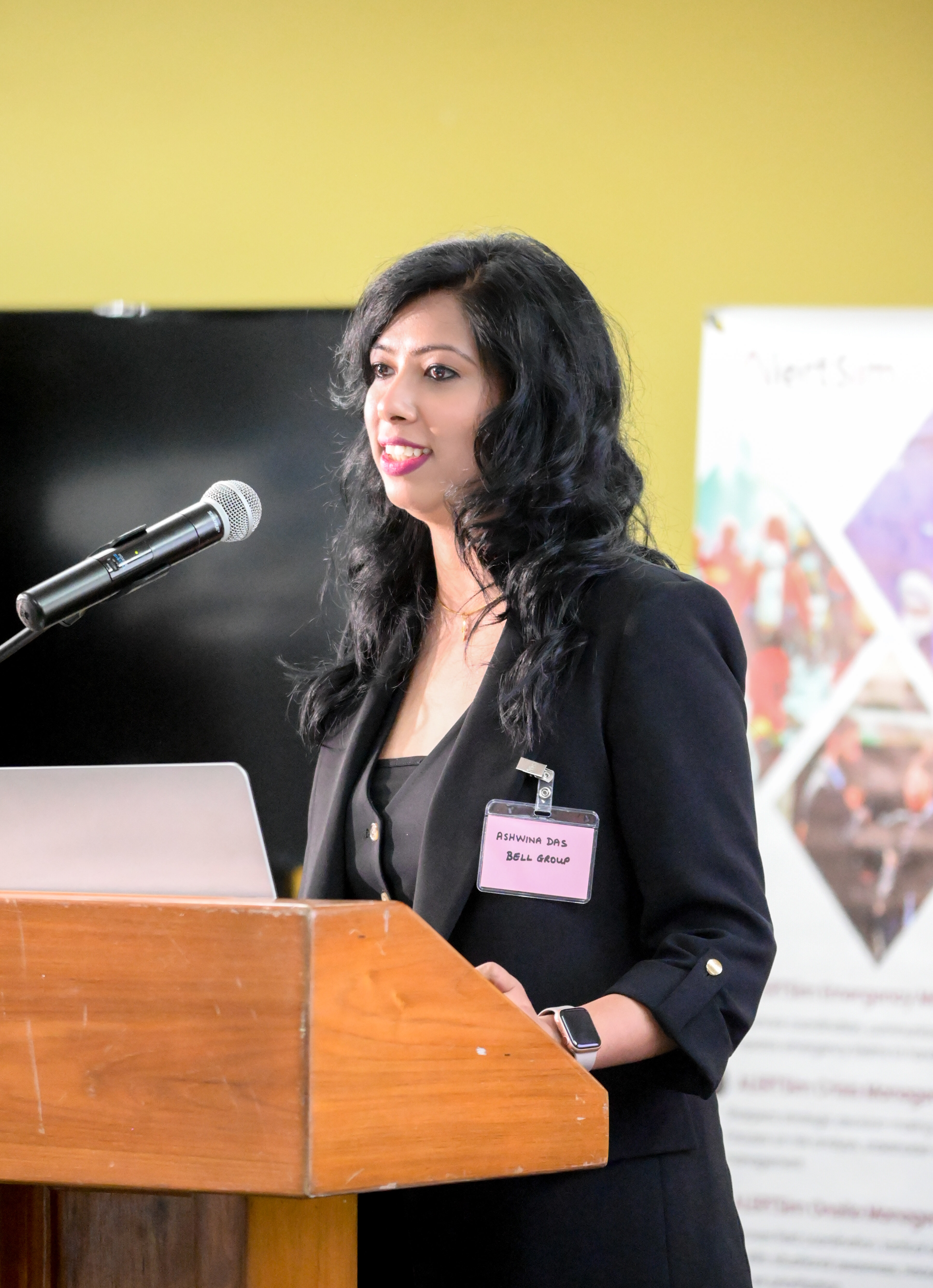
Ashwina Kulkarni

Director – Strategy & Growth, Bell Immersive & ALERTSim·Technology Adoption & Implementation Leader

Ashwina Kulkarni is Director – Strategy & Growth at Bell Immersive and ALERTSim, where she leads the strategic adoption and scaling of AI-enabled solutions for disaster risk reduction and emergency preparedness.

Her work focuses on helping governments, enterprises, and humanitarian organisations translate advanced technology into organisational readiness, ensuring that AI is implemented responsibly and effectively.

Ashwina brings a critical lens on strategy, adoption, and impact—addressing how institutions can successfully integrate AI into their people, processes, and leadership structures.

Speakers & Moderators

Conference Speakers & Panelists

Keynote

Opening Address

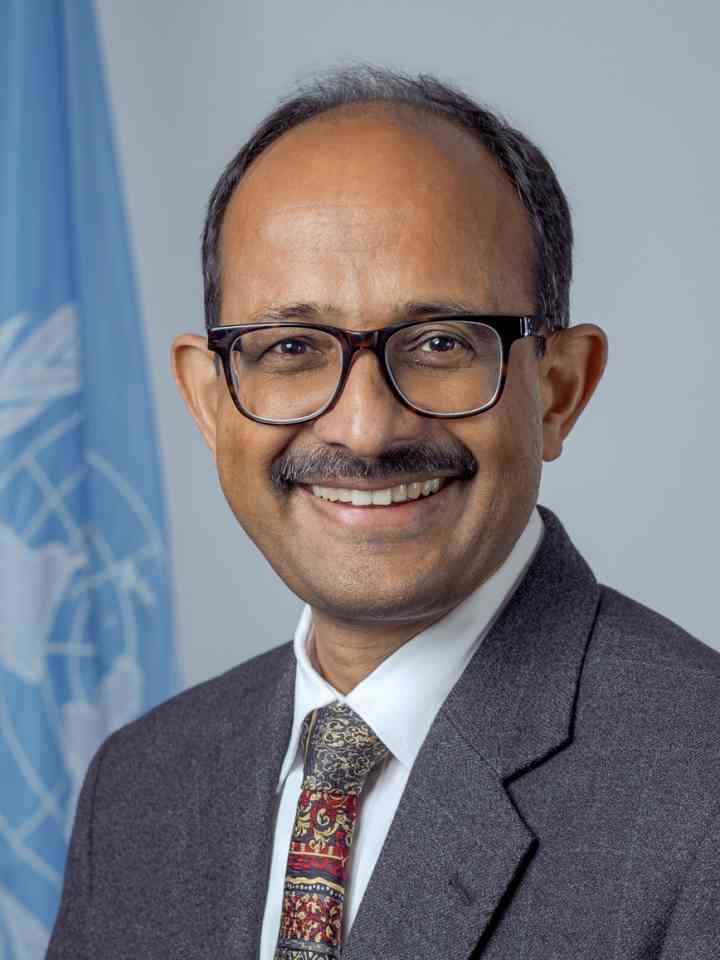
Kamal Kishore
Keynote Speaker

Kamal Kishore

Special Representative of the United Nations Secretary-General for Disaster Risk Reduction, and Head of UNDRR

On 27 March 2024, the United Nations Secretary-General announced the appointment of Kamal Kishore as Assistant Secretary-General and Special Representative of the Secretary-General for Disaster Risk Reduction. Kamal Kishore is the Special Representative of the United Nations Secretary-General (SRSG) for Disaster Risk Reduction, and Head of the United Nations Office for Disaster Risk Reduction (UNDRR), based in Geneva, Switzerland. Mr. Kishore brings to this position nearly three decades of experience in disaster risk reduction, climate action and sustainable development at the global, regional, national and local levels, having worked in government, the United Nations and civil society organizations. Prior to joining UNDRR, Mr. Kishore was the Head of Department of the National Disaster Management Authority of India, where he led the G20 Working Group on Disaster Risk Reduction and contributed to the development of the Coalition for Disaster Resilient Infrastructure. Mr. Kishore spent nearly thirteen years with the United Nations Development Programme (UNDP) in New York, Geneva, and New Delhi where he contributed to advancing policy and supported post-disaster recovery in Bangladesh, Iran, Maldives, Myanmar, Pakistan, the Philippines, and Sri Lanka. Prior to UNDP, he served as Director of Information and Research, and Manager of Extreme Climate Events Programme at the Asian Disaster Preparedness Centre in Bangkok (1996-2002), covering Indonesia, the Philippines, and Vietnam and as an Architect at the Action Research Unit for Development (1992-1994) in New Delhi where he worked on post-earthquake reconstruction projects.

Panel 1

Urban Planning to Withstand Heat Waves

Johanna Z. Granados Alcala
Panelist 1

Johanna Z. Granados Alcala

Lead Advisor for Urban Climate Action and Finance at the Global Covenant of Mayors for Climate & Energy (GCoM)
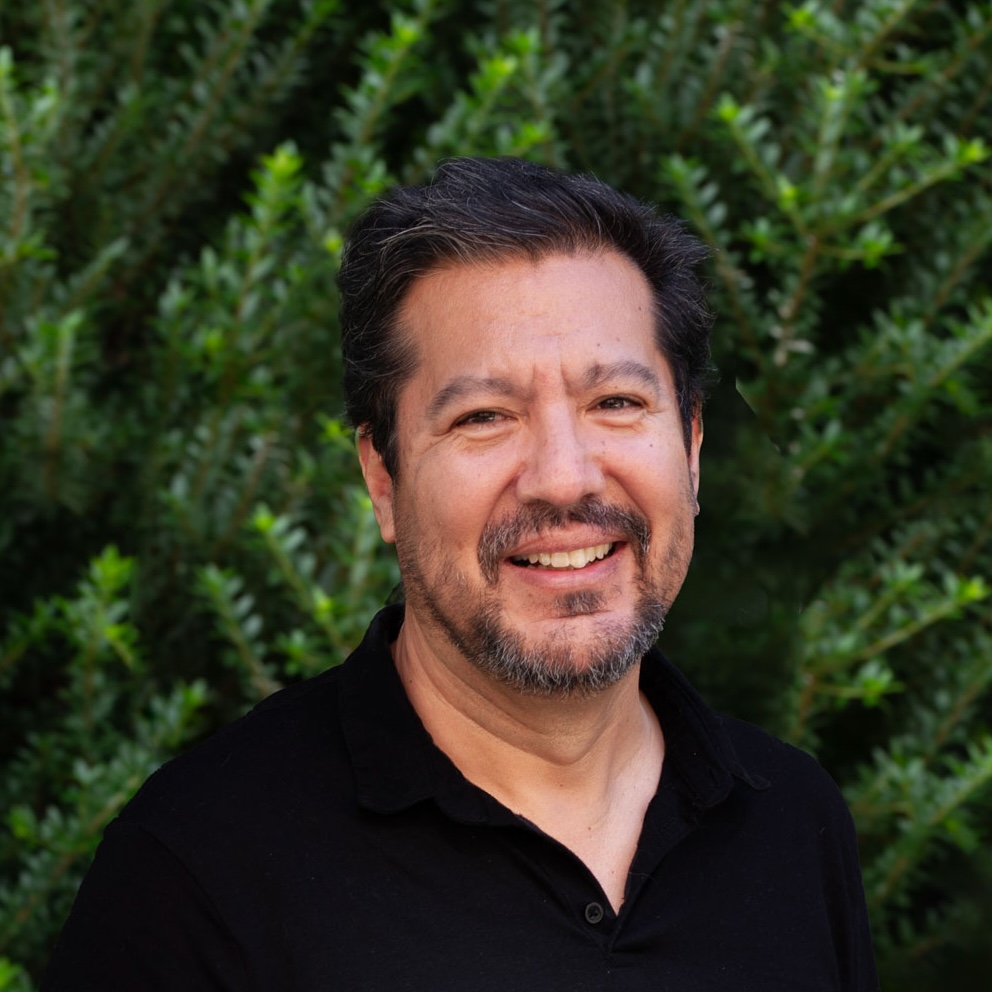
Johanna Z. Granados Alcala is the Lead Advisor for Urban Climate Action and Finance at the Global Covenant of Mayors for Climate & Energy (GCoM). In this role, she supports local governments and city leaders worldwide in translating ambitious climate commitments into tangible, on-the-ground action through integrated urban planning, resilience, and climate finance. With extensive expertise in subnational climate governance, Ms. Granados works closely with international organizations, city networks, and development partners to strengthen urban resilience and accelerate climate action. Her work emphasizes building strategic partnerships and enabling cities to address growing climate risks through innovative, locally driven solutions.

Esteban Leon
Panelist 2

Esteban Leon

Head, City Resilience Global Programme (CRGP), UN-Habitat

Esteban Leon is the Head of the City Resilience Global Programme (CRGP) at UN-Habitat, where he leads global initiatives that support cities in strengthening resilience through integrated urban planning, risk-informed governance, and sustainable development. The programme works with national and local governments to help cities anticipate, prepare for, and adapt to a wide range of shocks and stresses, including climate change, disaster risks, and rapid urbanization.

Marc Gordon
Panelist 3

Marc Gordon

Senior Coordinator of the Midterm Review of the Sendai Framework (MTR SF) & Global Lead, Extreme Heat Risk Reduction

Marc Gordon serves as the Senior Coordinator of the Midterm Review of the Sendai Framework (MTR SF) and Global Lead for Extreme Heat Risk Reduction at the United Nations Office for Disaster Risk Reduction (UNDRR). In these roles, he leads global initiatives to strengthen disaster risk governance and support national and local governments, investors, and businesses in adopting proactive, risk-informed approaches to reducing the impacts of extreme heat and other climate-related hazards.

Juan Camilo Pinzón
Panelist 4

Juan Camilo Pinzón

Safeguarding & Health and Safety Quality Assurance North Latin America Lead, Cognita Schools

Juan Camilo Pinzón is an international humanitarian and education specialist with over a decade of experience in emergency preparedness, humanitarian response, education in emergencies, and project management across Latin America and the Caribbean. He currently serves as Safeguarding & Health and Safety Quality Assurance North Latin America Lead at Cognita Schools, where he oversees quality assurance processes related to safeguarding, health and safety, school management, and risk management across the region. Prior to joining Cognita Schools, Juan served as Education in Emergencies Specialist with UNICEF Latin America and the Caribbean Regional Office (LACRO), where he led regional initiatives addressing education in humanitarian contexts and human mobility crises, including the Refugees and Migrants from Venezuela (R4V) response. He coordinated the multi-year Education Cannot Wait (ECW) Regional Project supporting refugee and migrant children and co-led the Regional Education Group for Latin America, strengthening inter-agency coordination and education preparedness. Earlier in his career, Juan held regional humanitarian leadership roles with Save the Children International and the United Nations World Food Programme (WFP), supporting emergency preparedness, early warning systems, disaster response, operational coordination, and humanitarian logistics throughout Latin America and the Caribbean. Juan holds a Master's degree in Project Management from Aden Business School, an Associate's degree in Project Management from The George Washington University School of Business, and a Bachelor's degree in International Relations from Florida State University. His expertise spans humanitarian coordination, education in emergencies, safeguarding, school safety, operational leadership, and resilience-building, with extensive experience collaborating with governments, UN agencies, NGOs, multilateral organizations, and the private sector.

Panel 2

Urban Heat Preparedness

Kathy Baughman McLeod
Panelist 1

Kathy Baughman McLeod

Chief Executive Officer, HERA

Kathy Baughman McLeod is the Chief Executive Officer of HERA (formerly Climate Resilience For All), a global nonprofit dedicated to protecting the health, income, and dignity of women and vulnerable communities from the impacts of extreme heat. Under her leadership, HERA advances innovative policy, finance, insurance, and technology solutions that strengthen resilience to one of the world's fastest-growing climate risks. Previously, Kathy served as Senior Vice President and Founding Director of the Adrienne Arsht-Rockefeller Foundation Resilience Center at the Atlantic Council, where she established and led the Center's global extreme heat agenda. She spearheaded landmark initiatives including the appointment of Chief Heat Officers in cities worldwide, the global movement to name and categorize heat waves, the launch of the world's first extreme heat income insurance for women informal workers in India, and the creation of the Race to Resilience campaign and the Resilience Pavilion at COP26, COP27, and COP28. Before joining the Atlantic Council, Kathy was Senior Vice President, Global Environmental & Social Risk Executive at Bank of America, where she led climate-related financial risk, environmental and social risk policy, and enterprise-wide climate disclosure initiatives. Earlier, she held several leadership positions at The Nature Conservancy, including Managing Director for Climate Risk & Investment and Director for Climate Risk & Resilience, leading global efforts to advance nature-based solutions, climate adaptation, disaster risk reduction, and innovative resilience financing. Earlier in her career, Kathy founded KBM Strategies, advising multinational corporations on sustainability, climate, energy, and resource productivity strategies. She also served as an appointed Energy & Climate Commissioner for the State of Florida, a Policy Fellow of the French Foreign Ministry, and as the first climate specialist on the U.S. Federal Emergency Management Agency (FEMA) National Advisory Council. An internationally recognized leader in climate resilience and adaptation finance, Kathy has been named a Reuters 2024 Trailblazing Woman in Climate and received Duke University's Leader of Consequence Award. She holds a Global MBA from Duke University's Fuqua School of Business, an M.S. in Geography and a B.S. in International Affairs from Florida State University, and a certification in Health Impact Assessment from the University of Liverpool.

Saurabh Dalal
Panelist 2

Saurabh Dalal

National Professional Officer, Emergency Preparedness & Risk Management, World Health Organization India
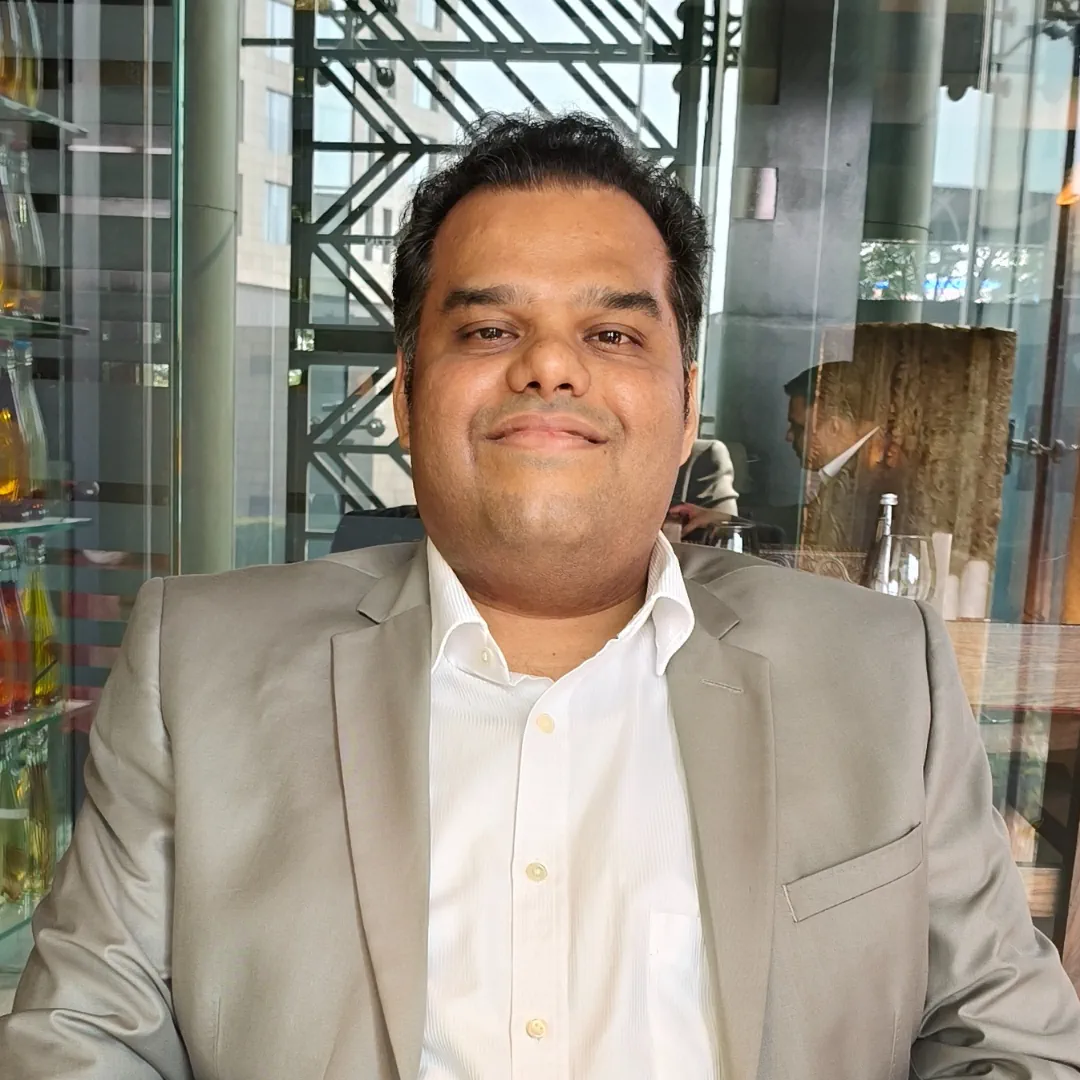
Saurabh Dalal is a National Professional Officer, Emergency Preparedness & Risk Management, World Health Emergencies Programme with the WHO - Country Office of India. He has qualifications in the field of Emergency & Disaster Medicine as well as Public Health and is the recipient of several prestigious international fellowships. He has contributed to several national guidelines and modules in health emergencies, disaster risk management, climate change, extreme weather events, public health emergency management, hospital safety, CBRN emergency management, and measures against weapons of mass destruction.

Hrishikesh Heble
Panelist 3

Hrishikesh Heble

Founder, Aeroswift Technologies.

Hrishikesh Heble is the Founder of Aeroswift Technologies, where he leads the development of advanced aerospace, unmanned systems, and next-generation aviation solutions. With over 21 years of professional experience, he has successfully delivered technology-driven projects across the defence, government, and industrial sectors, with a focus on integrating innovative UAV technologies into mission-critical operations.

Panel 3

Urban Heat Early Warning

Dr. Catalina Jaime
Panelist 1

Dr. Catalina Jaime

Head of Secretariat, Risk-informed Early Action Partnership (REAP) | IPCC AR7 Lead Author | Research Fellow, University of Twente | Trustee, MapAction
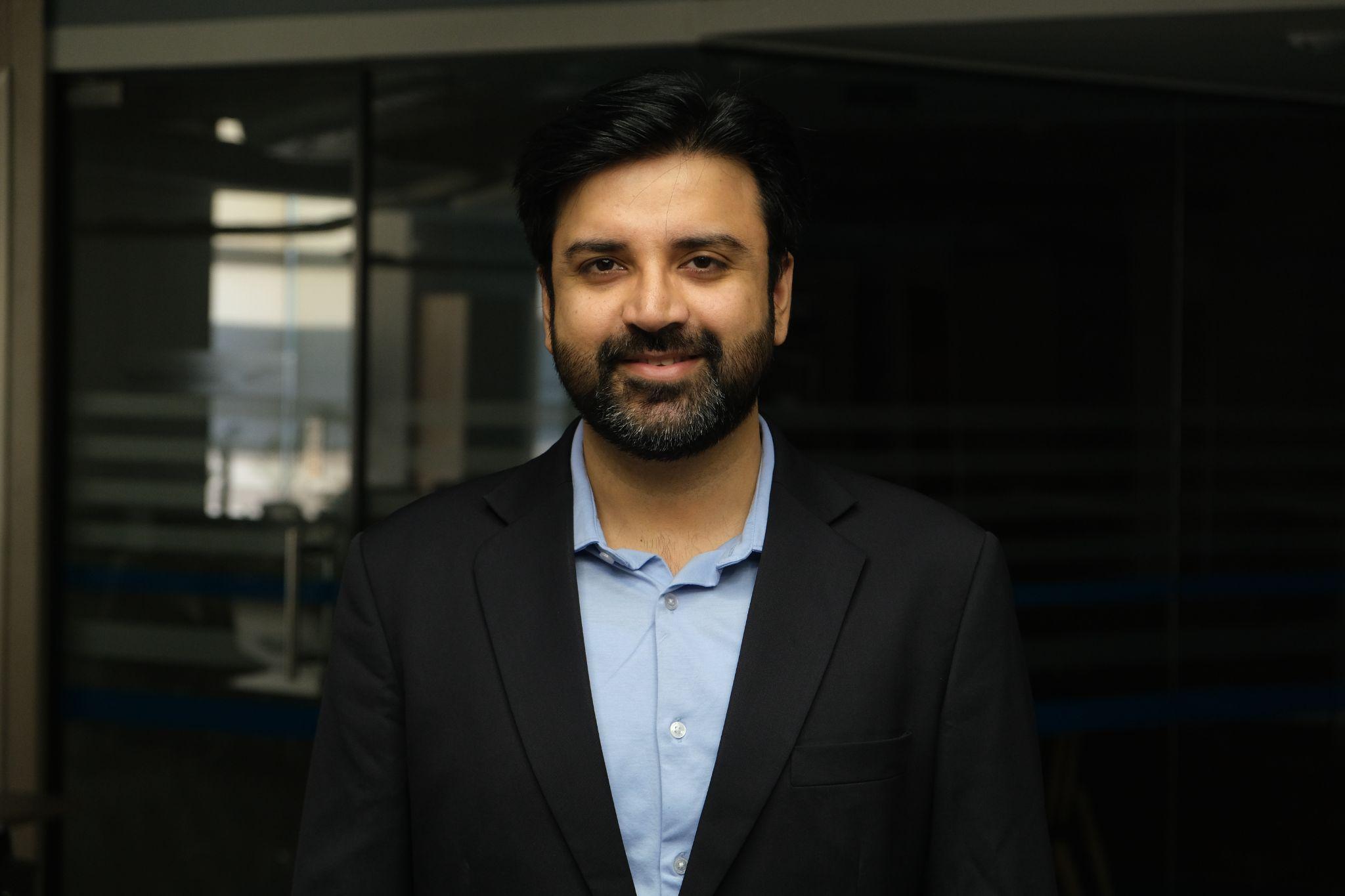
Dr. Catalina Jaime is the Head of Secretariat at the Risk-informed Early Action Partnership (REAP), where she leads the Secretariat in providing strategic, operational, and technical support to the Partnership's governance bodies and Working Groups. She oversees coordination and communication across REAP's initiatives in line with the REAP 2030 Strategy and supports global advocacy on financing and policy integration to advance risk-informed approaches to climate resilience and anticipatory action. With more than twenty years of experience in humanitarian action, Dr. Jaime is internationally recognized for her expertise in climate change adaptation, disaster risk reduction, anticipatory action, and early warning systems. Her work has spanned Colombia, Nepal, Haiti, Uganda, the Philippines, and numerous other countries, where she has strengthened systems that enable communities to anticipate, prepare for, and respond to climate and disaster risks before crises occur. Prior to joining REAP, Dr. Jaime led the Climate and Conflict portfolio at the Red Cross Red Crescent Climate Centre, where she advanced innovative approaches to managing climate risks in fragile and conflict-affected settings. She played a pivotal role in shaping the global anticipatory action agenda, managing one of the first anticipatory action pilot projects in Uganda, supporting the International Federation of Red Cross and Red Crescent Societies (IFRC) in establishing its anticipatory action financing mechanism, and co-creating the Anticipation Hub, now a leading global platform for knowledge exchange and collaboration on anticipatory action. Throughout her career, Dr. Jaime has worked closely with governments, United Nations agencies, humanitarian organizations, and research institutions to develop risk-informed systems for disaster preparedness and early action. She has led strategic partnerships, including collaboration with the International Committee of the Red Cross (ICRC) to integrate climate risk considerations into humanitarian operations and has also served as a Senior Consultant to the United Nations Office for Disaster Risk Reduction (UNDRR), contributing to the development of operational procedures for the Climate Risk and Early Warning Systems (CREWS) Initiative in fragile and conflict-affected settings. Dr. Jaime holds a PhD in Early Warning and Early Action in Conflict Settings and serves as a Research Fellow at the University of Twente. She is also a Trustee of MapAction and a Lead Author for the Intergovernmental Panel on Climate Change (IPCC) Seventh Assessment Report (AR7), contributing expertise on the intersections of climate change, poverty, livelihoods, mobility, and fragility. Earlier in her career, Dr. Jaime served as the Knowledge Broker for the UK-funded Science for Humanitarian Emergencies and Resilience (SHEAR) programme and led the information management team of the Shelter Cluster during the response to the 2010 Haiti earthquake. Her career reflects a longstanding commitment to bridging science, policy, and humanitarian practice, helping governments and organizations anticipate risks, strengthen resilience, and protect vulnerable communities through evidence-based and collaborative approaches.

Dr Pushp Bajaj
Panelist 2

Dr Pushp Bajaj

Senior Programme Lead, Climate Resilience, Council on Energy, Environment and Water (CEEW)
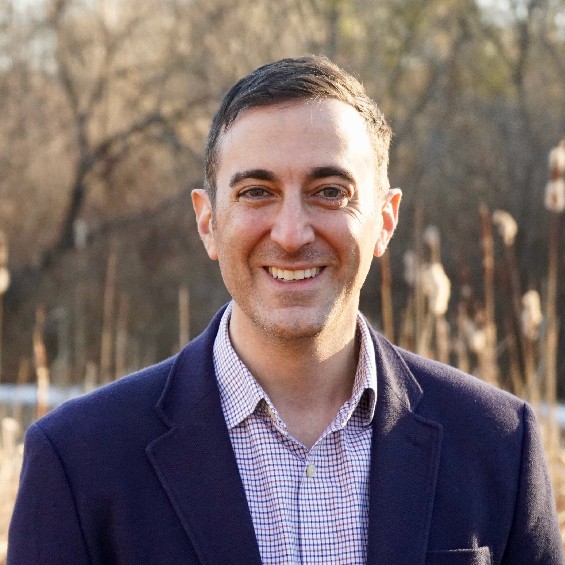
Dr Pushp Bajaj is currently working as a Senior Programme Lead with the Climate Resilience team at the Council on Energy Environment and Water. His work focuses on creating novel ways to assess the risks posed by climate change to India's critical infrastructure and populations, producing focussed adaptation strategies to enhance their long-term resilience, and exploring innovative financial models to facilitate climate adaptation at the national and sub-national levels. Prior to joining The Council, Dr Bajaj worked as a Technical Expert on Climate Adaptation and Blue Economy at the United Nations Development Programme (UNDP) where he supported UNDP India and the Ministry of Environment, Forest and Climate Change (MoEFCC) on the Government of India's initiatives on climate change adaptation including the National Adaptation Fund on Climate Change, adaptation planning, and international negotiations under the UNFCCC. During India's G20 Presidency in 2022-23, he supported MoEFCC and the Ministry of Earth Sciences (MoES) in the planning and conduct of the activities of the Environment and Climate Sustainability Working Group (ECSWG), particularly related to the Blue Economy priority area. Pushp received his PhD in Chemistry from the University of California, San Diego, USA, where he was a graduate researcher for the NSF-funded Center for Chemical Innovation - Center for Aerosol Impacts on Chemistry of the Environment (CAICE) based in San Diego, CA, USA. He is an alumnus of the Indian Institute of Technology Madras and St. Stephen's College of the University of Delhi.

Jono Anzalone
Panelist 3

Jono Anzalone

Managing Director, Yale Program on Climate Change Communication (YPCCC)

Jono Anzalone is an economist, disaster response leader, governance strategist, and climate resilience expert with more than two decades of experience at the intersection of crisis management, climate risk, institutional resilience, and public engagement. He currently serves as Managing Director of the Yale Program on Climate Change Communication (YPCCC), where he leads initiatives to advance research, public understanding, and strategic communication on climate change. Prior to joining Yale, Jono held senior leadership positions with the International Federation of Red Cross and Red Crescent Societies (IFRC) and the American Red Cross, directing disaster preparedness, response, and recovery operations across the Americas and the Caribbean. He also served as Professor of Social and Behavioral Sciences at the University of Southern Maine, where he taught and conducted research on leadership, governance, and resilience. In addition to his role at Yale, Jono serves as Chair of the Board of Trustees of the Elmina B. Sewall Foundation and as a Board Member and Volunteer with the American Red Cross. Throughout his career, he has contributed to disaster response and resilience-building efforts in more than 30 countries, with a focus on strengthening institutional decision-making under uncertainty, integrating climate and social risk into policy and practice, and advancing responsible governance in complex crisis environments. Jono holds a doctorate in Educational Leadership, master's degrees in Economics and Accounting, and completed his undergraduate studies in Political Science. He is also a graduate of Harvard University's National Preparedness Leadership Initiative and was recognized with the Meta-Leader of the Year Award in 2017.

Who Should Attend

Built For Leaders

This conference is designed for senior professionals and decision-makers across sectors who are shaping the future of urban heat resilience.

Government & National Authorities

Ministries and national bodies responsible for climate, urban, and emergency policy

City & Municipal Governments

Local and regional authorities leading urban resilience and heat adaptation strategies

Urban Planning & Infrastructure

Professionals shaping built environments, land use, and city infrastructure

Climate, Resilience & DRR Experts

Practitioners and specialists in disaster risk reduction and climate adaptation

Public Health & Emergency Management

Agencies coordinating heat-related health responses and emergency preparedness

Humanitarian & Development Organizations

International and national bodies supporting vulnerable communities at risk from heat

Technology & AI/Data Providers

Solution developers building AI, data, and digital tools for urban heat management

Academia, Think Tanks & Policy Institutions

Researchers and policy institutions advancing knowledge on heat risk and urban climate

Private Sector in Urban Resilience

Companies and investors in infrastructure, real estate, and resilience services

Conference Themes

What We'll Cover

01

Urban Planning to Withstand Heat Waves

Explore how urban planning, infrastructure choices, and climate-informed city design can help communities withstand heat waves, reduce exposure, and strengthen resilience across built environments.

02

Urban Heat Preparedness

Examine how cities and institutions are preparing for and responding to extreme heat events, including readiness planning, infrastructure adaptation, public health preparedness, cooling interventions, and cross-agency coordination.

03

Urban Heat Early Warning

Explore the challenges and current capabilities associated with forecasting and communicating urban heat risks, including stakeholder experiences, implementation gaps, and the role of forecasting systems, climate intelligence, predictive analytics, and AI-enabled tools in strengthening heat risk detection and anticipatory action.

Register

Secure Your Seat

Join global leaders, practitioners, and innovators at the AI + Urban Heat Conference 2026.

Secure My Seat
Secure payment powered by Stripe

Date

22 July 2026

Time

5:30 - 8:30 PM UAE

Format

Virtual · Zoom

Partnership & Contact

Partner & Connect

Join a global community of leaders shaping the future of climate resilience and urban innovation.

Sponsorship Opportunities

Partner with AI + Urban Heat to position your organization at the forefront of climate resilience, urban innovation, and technology-enabled preparedness.

Brand visibility across a global resilience-focused audience

Positioning alongside industry and policy leaders

Speaking / participation opportunities (subject to package)

Access to senior decision-makers and stakeholders

Association with innovation in climate resilience and urban heat management

Get in Touch

We're here to help

Reach out to our team for anything related to the conference — registration, speaking, or partnerships.

Organiser

TecHive Association

[email protected]

We can help with

Registration Queries

Sponsorship Opportunities

Speaker Participation

Partnership Enquiries

Subscribe to Our Newsletter

Stay updated with latest insights & events

Next
Home
Stay connected! Follow TecHive on social media for updates and success stories.